

Katelyn

unnamed“Any tears that might have threatened to fall in the midst of the word cancer hid behind the walls of Sharon’s strength, her confidence as a mother who knew that God would prepare her for His will, no matter what it was. To the center of her being, the core of everything she believed, she knew that if His will was to take Katelyn from them, she would know.

And she did.

Katelyn isn’t going anywhere, Sharon thought.”

This excerpt from Katelyn Atwell’s story in my book sums it all up. Katelyn’s mother – during Katelyn’s bout with cancer, her battle with a rare condition that typically takes the life of its victims in less than 48 hours, her 3-year coma – never lost an ounce of hope because she knew in her heart of hearts that God would prepare her first. And He hadn’t.

So she trudged along through an unimaginable roller coaster ride as her daughter fought for her life. Her family relied on her strength. If she broke down, so did they. If she remained strong, so did they. Her faith in God led her through this unthinkable journey, and so did God’s messages, which were sent in the most unexpected ways. Every time Sharon even considered breaking down, someone was in the wings, ready to keep her together.

“After three months of Katelyn’s silence, Sharon left her daughter’s side to stand in front of a large prayer map that she had hung in her hospital room. She stared at the hundreds of colored tacks pushed into towns, cities, and states across the country praying for Katelyn. Ray and Sharon’s family and friends, as well as their six thousand-member church congregation, had started a prayer chain that eventually left the country and reached people in China and Australia.

“Lord, don’t leave her like this,” Sharon pleaded, eyes on the pushpins, reminders that she wasn’t alone. “Lead her home or wake her up.”

That evening, she received the comfort she was needing. Two pastors from towns two hours away drove to see Sharon and her husband, Ray, and pray over their daughter. These men had never met Katelyn; they’d only heard her story through a member of their congregation that had asked for prayer requests.

“I’m here to tell you to stay strong in your faith in what God is telling you, not in what man is telling you.”

Doctors had mentioned “making arrangements” more times than Sharon and Ray could count, but they no longer listened. They were on God’s path now. When Katelyn’s body would “storm” – raise in temperature to 109, heart racing at 240 beats per minute – they never lost faith that she would recover and that her brain would be okay.

“Things will get worse before they get better,” a nurse they had never met – but who, again, had heard about Katelyn’s situation – told Sharon, and she believed. “This is what I’m supposed to tell you,” the nurse said, and again, God had spoken.

He spoke through many more, including a woman who, while dining at Wendy’s, saw Katelyn, comatose and in a wheelchair across the room, and handed Sharon a note: “Don’t worry, He is in control.”

When Katelyn woke from her coma after three years, with a mind that, after years of therapy, still worked, Sharon and Ray believed deeper than they ever had before that God truly is in control.

I would love to hear about the powerful, unexpected ways God has worked in your life. Please email me at onceuponawishbook@gmail.com

Sincerely,

Rachelle Sparks
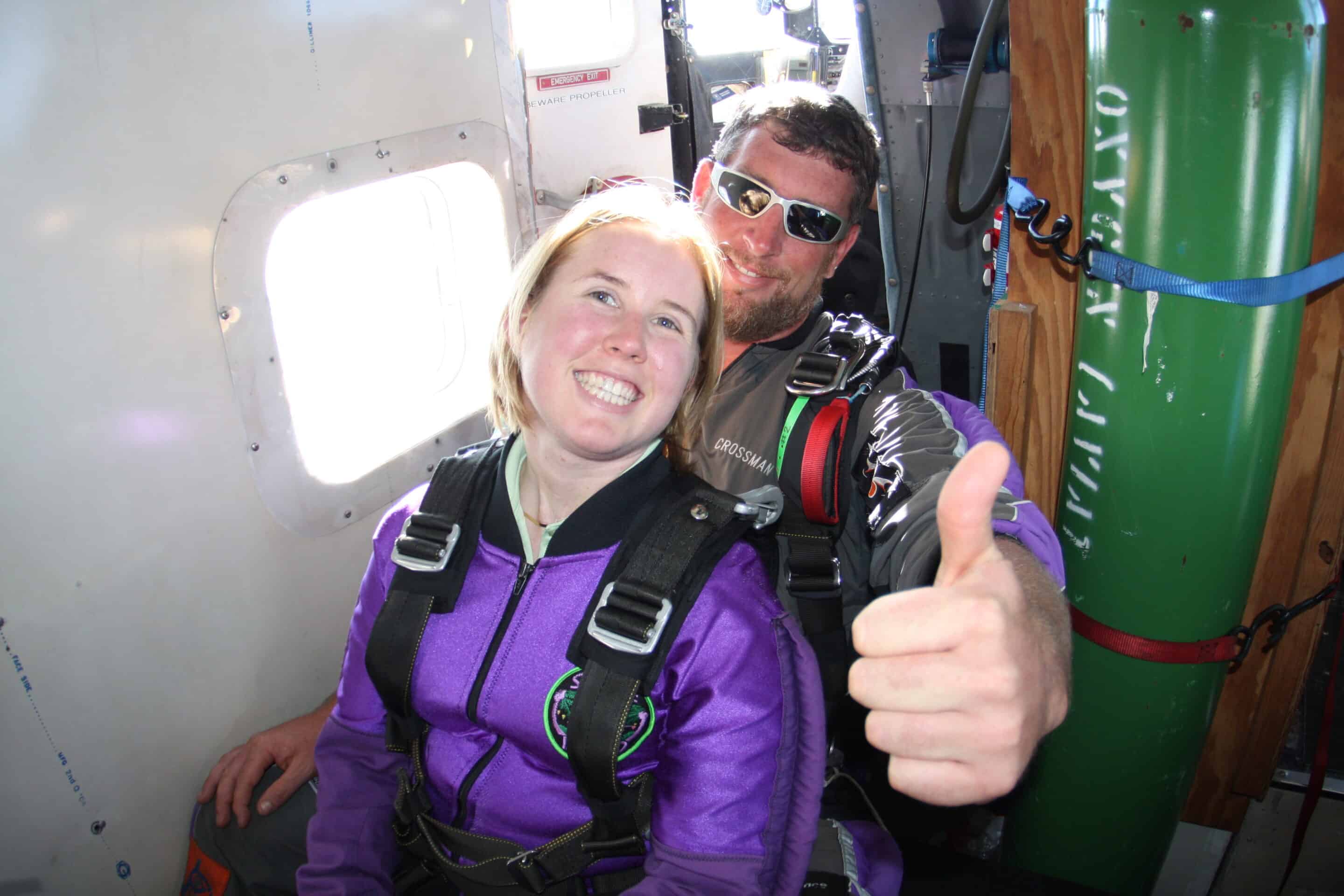
Current pic of Katelyn Fig 2.1


(Photos of Katelyn)

For more information or to schedule a counseling appointment today:

Call us at 303-902-3068
or fill out the form below.

The Latest from our blog

The Latest from the Blog

The Latest from the Blog

The Latest from the Blog

what to expect

We’re here to help you heal, grow and thrive through Christian counseling.

We understand – the thought of coming to counseling can be intimidating.

Trust us when we say there’s nothing to be afraid of! We’re normal people just like you who have a desire to help you live your life to the fullest.

To help ease any discomfort you may have at the thought of counseling with us, we’d like to let you know how to prepare for counseling and what to expect.

First, we should tell you what therapy is…

  • Therapy is about helping you reach a goal or goals; it’s about getting you to a place where you feel comfortable and satisfied with the way life is humming on around you and within you.
  • Therapy is about working with your therapist to achieve the outcome you’re hoping for. A good therapist is like a coach, teacher, consultant, and referee all wrapped into one. They’ll listen to you and understand you without judging you. They’ll help you see more clearly how you got to where you are and how to get to where you want to go. They’ll give you the confidence to talk about things with others (spouse, family member, friend, co-worker, etc) that you may have been too uncomfortable to bring up on your own.
  • Ultimately, therapy equips you to work through any obstacle that lies between where you are now and where you really want to be.

…and what therapy is not

  • Therapy isn’t always a quick, painless fix.  Sometimes things get worse before they get better.  But if you stick with it and do the hard work of walking through this challenging season with your therapist, things will get better!
  • Therapy isn’t about your therapist doing the work for you.  However good a therapist may be, he/she cannot make you reach your goal(s). They can’t fix your problem(s) for you. You will still have to work at it. What a good therapist will do for you is give you the means and the guidance to help you reach your goal(s), and will walk alongside you until you get there.

Have some questions, or need more info? Click here.

Frequently Asked Questions

On how to prepare for counseling

What will my first session be like?

Your first session is a chance for you to make sure you and your counselor are a great fit! They might ask you about what’s brought you in, if you have questions, and some history. Your counselor may take notes as you talk, to help you as you create a therapy plan together to reach your goals. (You’re not being graded or judged!)

The first session builds the foundation for future growth and healing, and you’ll probably spend a good amount of time talking about your background and the history of what’s bringing you in. You might feel strong emotions, cry, or feel overwhelmed at times, but your counselor is there to help you feel safe, comfortable, and supported.

The therapeutic process can feel slow when you first start. You may feel like the first few sessions haven’t done much, but they are building up to the deeper work! It’s important to remember one session won’t “fix” everything. It can take a few sessions to dig deep before you get to the powerful work of healing.

On the other hand, as you dive into sharing deep hurts, you may notice yourself feeling more vulnerable, raw, or emotional after your first few sessions. This is totally normal! Your therapist can help you identify these deeper emotions and causes, and help you care for yourself as you open yourself up to the process of healing.

The beautiful thing about counseling is that it’s for you. There’s no perfect formula for when you’ll “feel better,” (though sometimes we wish there was!).

As you address important issues, implement the tools and strategies you talk about in counseling, and work through specific things, you may start noticing small changes before big ones.

Give yourself time to get comfortable, feel safe with your therapist, and share your hurts and sorrows. Healing takes time, and there is no pressure or deadline to get there! You’ll start noticing the positive changes in your life at exactly the pace that is right for you.

By blending what fits you both practically and personally!

Practically, what location do you live closest to? Are you looking for someone in person or online? Do you have a price range in mind? Do you need a counselor with specific skills?

Personally, are you more comfortable with a counselor that is soft-spoken and gently encouraging? Do you prefer someone strong who can challenge you to grow? Do you enjoy diving deep into emotions? Or do you prefer concrete strategies and tools?

You can find all this information and more on each counselor’s bio page!

Not sure where to start? Contact our admin team and they can help match you with the right counselor for you!

No worries! We want to make sure that you find the absolute best counselor for you. If you meet with a counselor at Cornerstone and feel like they’re not quite right, or you want someone with more experience or training in a specific area, we offer one free transfer session to a new counselor on our team.

Just reach out to our office and we can set that up for you!

Definitely limit distractions! Wear something comfortable, since you may be sitting or moving around. The last thing you need is that itchy tag stealing your attention every few minutes. Turn notifications off on your phone, watch, and other devices.

If you’re doing online counseling, make sure you’re in a quiet, confidential spot. If you’re coming into the office, come a few minutes early to scope out the location, find the office, and enjoy a cup of coffee or tea in our waiting room.

And of course, make sure you complete your paperwork ahead of time! This not only helps your therapist jump right in, it can help you think through your goals and desires for healing, which helps you make the most of your time together.

To learn more, read our article How to Prepare for Your First Christian Counseling Session.

Therapy length varies based on your needs, goals, and the complexity of your concerns. Some people see progress in a few sessions, while others benefit from a longer course of treatment for deeper or ongoing issues.

Your counselor will work with you to recommend a personalized plan that supports lasting healing and growth. We’ve also created a simple roadmap to help you understand the five phases of therapy: connection, planning, change, review, and celebration.

Get to know us! Follow Cornerstone on Social Media

The Latest from the Blog

what to expect

We’re here to help you heal, grow and thrive through Christian counseling.

We understand – the thought of coming to counseling can be intimidating.

Trust us when we say there’s nothing to be afraid of! We’re normal people just like you who have a desire to help you live your life to the fullest.

To help ease any discomfort you may have at the thought of counseling with us, we’d like to let you know how to prepare for counseling and what to expect.

First, we should tell you what therapy is…

  • Therapy is about helping you reach a goal or goals; it’s about getting you to a place where you feel comfortable and satisfied with the way life is humming on around you and within you.
  • Therapy is about working with your therapist to achieve the outcome you’re hoping for. A good therapist is like a coach, teacher, consultant, and referee all wrapped into one. They’ll listen to you and understand you without judging you. They’ll help you see more clearly how you got to where you are and how to get to where you want to go. They’ll give you the confidence to talk about things with others (spouse, family member, friend, co-worker, etc) that you may have been too uncomfortable to bring up on your own.
  • Ultimately, therapy equips you to work through any obstacle that lies between where you are now and where you really want to be.

…and what therapy is not

  • Therapy isn’t always a quick, painless fix.  Sometimes things get worse before they get better.  But if you stick with it and do the hard work of walking through this challenging season with your therapist, things will get better!
  • Therapy isn’t about your therapist doing the work for you.  However good a therapist may be, he/she cannot make you reach your goal(s). They can’t fix your problem(s) for you. You will still have to work at it. What a good therapist will do for you is give you the means and the guidance to help you reach your goal(s), and will walk alongside you until you get there.

Have some questions, or need more info? Click here.

Frequently Asked Questions

On how to prepare for counseling

What will my first session be like?

Your first session is a chance for you to make sure you and your counselor are a great fit! They might ask you about what’s brought you in, if you have questions, and some history. Your counselor may take notes as you talk, to help you as you create a therapy plan together to reach your goals. (You’re not being graded or judged!)

The first session builds the foundation for future growth and healing, and you’ll probably spend a good amount of time talking about your background and the history of what’s bringing you in. You might feel strong emotions, cry, or feel overwhelmed at times, but your counselor is there to help you feel safe, comfortable, and supported.

The therapeutic process can feel slow when you first start. You may feel like the first few sessions haven’t done much, but they are building up to the deeper work! It’s important to remember one session won’t “fix” everything. It can take a few sessions to dig deep before you get to the powerful work of healing.

On the other hand, as you dive into sharing deep hurts, you may notice yourself feeling more vulnerable, raw, or emotional after your first few sessions. This is totally normal! Your therapist can help you identify these deeper emotions and causes, and help you care for yourself as you open yourself up to the process of healing.

The beautiful thing about counseling is that it’s for you. There’s no perfect formula for when you’ll “feel better,” (though sometimes we wish there was!).

As you address important issues, implement the tools and strategies you talk about in counseling, and work through specific things, you may start noticing small changes before big ones.

Give yourself time to get comfortable, feel safe with your therapist, and share your hurts and sorrows. Healing takes time, and there is no pressure or deadline to get there! You’ll start noticing the positive changes in your life at exactly the pace that is right for you.

By blending what fits you both practically and personally!

Practically, what location do you live closest to? Are you looking for someone in person or online? Do you have a price range in mind? Do you need a counselor with specific skills?

Personally, are you more comfortable with a counselor that is soft-spoken and gently encouraging? Do you prefer someone strong who can challenge you to grow? Do you enjoy diving deep into emotions? Or do you prefer concrete strategies and tools?

You can find all this information and more on each counselor’s bio page!

Not sure where to start? Contact our admin team and they can help match you with the right counselor for you!

No worries! We want to make sure that you find the absolute best counselor for you. If you meet with a counselor at Cornerstone and feel like they’re not quite right, or you want someone with more experience or training in a specific area, we offer one free transfer session to a new counselor on our team.

Just reach out to our office and we can set that up for you!

Definitely limit distractions! Wear something comfortable, since you may be sitting or moving around. The last thing you need is that itchy tag stealing your attention every few minutes. Turn notifications off on your phone, watch, and other devices.

If you’re doing online counseling, make sure you’re in a quiet, confidential spot. If you’re coming into the office, come a few minutes early to scope out the location, find the office, and enjoy a cup of coffee or tea in our waiting room.

And of course, make sure you complete your paperwork ahead of time! This not only helps your therapist jump right in, it can help you think through your goals and desires for healing, which helps you make the most of your time together.

To learn more, read our article How to Prepare for Your First Christian Counseling Session.

Therapy length varies based on your needs, goals, and the complexity of your concerns. Some people see progress in a few sessions, while others benefit from a longer course of treatment for deeper or ongoing issues.

Your counselor will work with you to recommend a personalized plan that supports lasting healing and growth. We’ve also created a simple roadmap to help you understand the five phases of therapy: connection, planning, change, review, and celebration.

Get to know us! Follow Cornerstone on Social Media

The Latest from the Blog

what to expect

We’re here to help you heal, grow and thrive through Christian counseling.

We understand – the thought of coming to counseling can be intimidating.

Trust us when we say there’s nothing to be afraid of! We’re normal people just like you who have a desire to help you live your life to the fullest.

To help ease any discomfort you may have at the thought of counseling with us, we’d like to let you know how to prepare for counseling and what to expect.

First, we should tell you what therapy is…

  • Therapy is about helping you reach a goal or goals; it’s about getting you to a place where you feel comfortable and satisfied with the way life is humming on around you and within you.
  • Therapy is about working with your therapist to achieve the outcome you’re hoping for. A good therapist is like a coach, teacher, consultant, and referee all wrapped into one. They’ll listen to you and understand you without judging you. They’ll help you see more clearly how you got to where you are and how to get to where you want to go. They’ll give you the confidence to talk about things with others (spouse, family member, friend, co-worker, etc) that you may have been too uncomfortable to bring up on your own.
  • Ultimately, therapy equips you to work through any obstacle that lies between where you are now and where you really want to be.

…and what therapy is not

  • Therapy isn’t always a quick, painless fix.  Sometimes things get worse before they get better.  But if you stick with it and do the hard work of walking through this challenging season with your therapist, things will get better!
  • Therapy isn’t about your therapist doing the work for you.  However good a therapist may be, he/she cannot make you reach your goal(s). They can’t fix your problem(s) for you. You will still have to work at it. What a good therapist will do for you is give you the means and the guidance to help you reach your goal(s), and will walk alongside you until you get there.

Have some questions, or need more info? Click here.

Frequently Asked Questions

On how to prepare for counseling

What will my first session be like?

Your first session is a chance for you to make sure you and your counselor are a great fit! They might ask you about what’s brought you in, if you have questions, and some history. Your counselor may take notes as you talk, to help you as you create a therapy plan together to reach your goals. (You’re not being graded or judged!)

The first session builds the foundation for future growth and healing, and you’ll probably spend a good amount of time talking about your background and the history of what’s bringing you in. You might feel strong emotions, cry, or feel overwhelmed at times, but your counselor is there to help you feel safe, comfortable, and supported.

The therapeutic process can feel slow when you first start. You may feel like the first few sessions haven’t done much, but they are building up to the deeper work! It’s important to remember one session won’t “fix” everything. It can take a few sessions to dig deep before you get to the powerful work of healing.

On the other hand, as you dive into sharing deep hurts, you may notice yourself feeling more vulnerable, raw, or emotional after your first few sessions. This is totally normal! Your therapist can help you identify these deeper emotions and causes, and help you care for yourself as you open yourself up to the process of healing.

The beautiful thing about counseling is that it’s for you. There’s no perfect formula for when you’ll “feel better,” (though sometimes we wish there was!).

As you address important issues, implement the tools and strategies you talk about in counseling, and work through specific things, you may start noticing small changes before big ones.

Give yourself time to get comfortable, feel safe with your therapist, and share your hurts and sorrows. Healing takes time, and there is no pressure or deadline to get there! You’ll start noticing the positive changes in your life at exactly the pace that is right for you.

By blending what fits you both practically and personally!

Practically, what location do you live closest to? Are you looking for someone in person or online? Do you have a price range in mind? Do you need a counselor with specific skills?

Personally, are you more comfortable with a counselor that is soft-spoken and gently encouraging? Do you prefer someone strong who can challenge you to grow? Do you enjoy diving deep into emotions? Or do you prefer concrete strategies and tools?

You can find all this information and more on each counselor’s bio page!

Not sure where to start? Contact our admin team and they can help match you with the right counselor for you!

No worries! We want to make sure that you find the absolute best counselor for you. If you meet with a counselor at Cornerstone and feel like they’re not quite right, or you want someone with more experience or training in a specific area, we offer one free transfer session to a new counselor on our team.

Just reach out to our office and we can set that up for you!

Definitely limit distractions! Wear something comfortable, since you may be sitting or moving around. The last thing you need is that itchy tag stealing your attention every few minutes. Turn notifications off on your phone, watch, and other devices.

If you’re doing online counseling, make sure you’re in a quiet, confidential spot. If you’re coming into the office, come a few minutes early to scope out the location, find the office, and enjoy a cup of coffee or tea in our waiting room.

And of course, make sure you complete your paperwork ahead of time! This not only helps your therapist jump right in, it can help you think through your goals and desires for healing, which helps you make the most of your time together.

To learn more, read our article How to Prepare for Your First Christian Counseling Session.

Therapy length varies based on your needs, goals, and the complexity of your concerns. Some people see progress in a few sessions, while others benefit from a longer course of treatment for deeper or ongoing issues.

Your counselor will work with you to recommend a personalized plan that supports lasting healing and growth. We’ve also created a simple roadmap to help you understand the five phases of therapy: connection, planning, change, review, and celebration.

Get to know us! Follow Cornerstone on Social Media

The Latest from the Blog